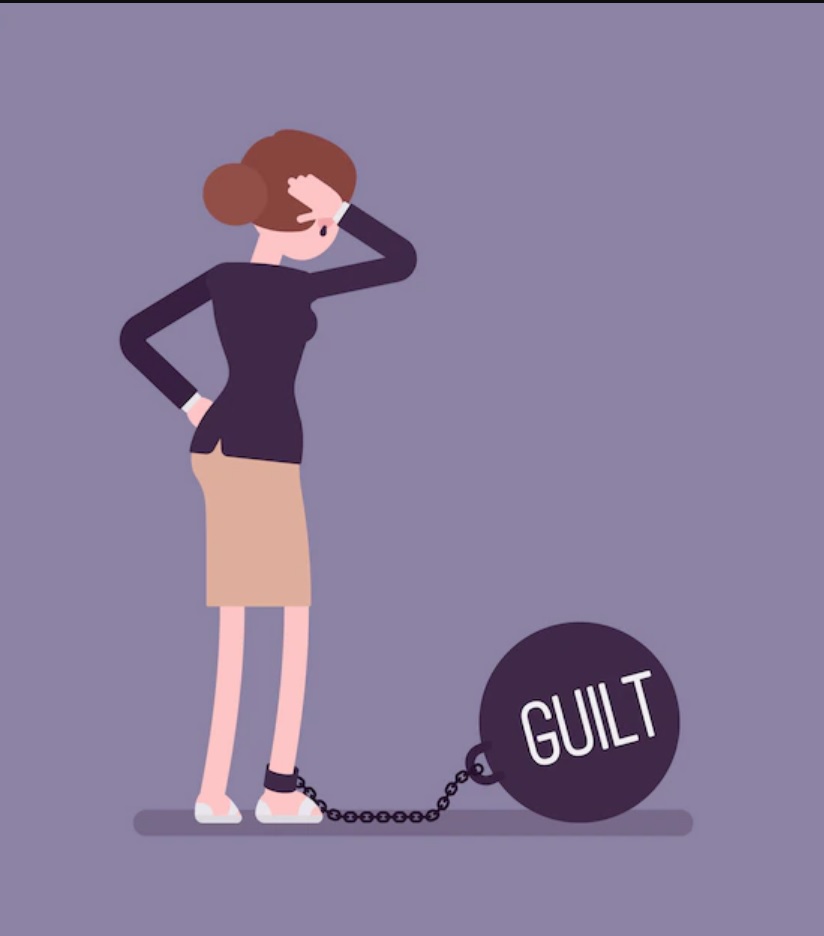
My prayer is that this title gives words to what you’ve been feeling. You are not alone. You may be thinking of verses like Ezekiel 14:7-8. Here, The Lord testifies that He will cut a man “off from his people” in order to show that He is The Lord. Phrases like this can make us feel we deserve to be alone for a while, but this is the God of The Old Testament. True, Jesus’ teachings are in line with his Father’s, but here in The New Testament, redemption is preached and verses such as Romans 8:1 (which addresses condemnation), Romans 9:33 (which deals with shame) & Philippians 3:13-14 (which deals with forgetting the past, especially) should be thought of. As I often say, engendering these verses over the associated Old Testament verses is the difference between easy and simple; it really is simple to understand that we are living in an era of grace but living it is so unattainable through human hands that it’s explicitly given by God in everyone’s life individually and personally, and we never know when it’s coming.
On a day-to-day basis, we personalize our sins (and they are personal) so we can wrestle with phrases like “I don’t know what I was thinking” and so on, but we forget that God was there when it happened so we needn’t worry about that. The more perilous thought process is “what about next time I’m tempted”? This is wrong, because the better question is to ask is if you actually want to do it. If the answer is no, then it is to be forgotten. If the answers even a maybe, then a person should be communing with God regarding this. Of course, it’s important to make the decision to make lifestyle changes (such as not spending time in bars/night clubs, etc.) but the overarching point is not to look forward towards temptation, which is actually looking back. Basically, if ‘Repent’ means ‘to turn away from’ sin, then you can’t see something that is behind you.
It is extremely important to stay in communion. 1 Corinthians 11:29-31 stands out as a way to describe how important the communion itself is:
“29 For he who eats and drinks in an unworthy manner eats and drinks judgment to himself, not discerning the Lord’s body. 30 For this reason many are weak and sick among you, and many sleep. 31 For if we would judge ourselves, we would not be judged.”
On the side of righteousness, it must be understood that God will not compromise The Body of Christ, for us it is to understand that other people depend on the name and therefore we cannot ‘get away’ with anything that someone else can or else the integrity is meaningless. But because this is a righteous thing, it is good, causing us to conform. We vaguely have a tendency to take things personal when it comes to this, or else we’d never feel shame in the first place. Again, this is the human condition (me, me, me) but we hold on so surprisingly tight that it staggers us how self-centered we were as we let go. This is one way we are made new.
In fact, the resulting shame has potential to do more damage to our souls than the sin itself, since the shame encourages us to remain in bondage, not understanding that Forgiven means we do not have to engage in the sin anymore. We inadvertently wear labels in this way, ‘I’ve been an Alcoholic/Whoremongerer/Thief” etc., subversively believing we will be this way until the sin is resolved. The Truth of it is that we cannot take credit for God’s righteousness but understanding that we are under Grace takes the pressure off, thereby moving us from The Law into Faith.

But let’s take a breath and understand something by answering questions like these, “what was I thinking” or “how did this happen”. The answer is Genesis 3. This chapter describes how sin entered into man (or the fall of man). It’s important to remember it’s called the fall of man and not the fall of ‘Steve’ or ‘Jessica’. In other words, by personalizing it we set ourselves up to be inadvertently self-centered, taking ownership over something we were never supposed to be contending with in the first place (we must acknowledge our sins but sin was not part of God’s original design, hence the redemption). My prayer is that you begin to put yourself at ease because we really are children and we really have been deceived from birth, we’ve no chance at not sinning in this life.
But here is some Gospel; let’s look at some of the lives in the rest of the Bible. There are entire lives including the sins therein are written of such as Moses, Samson and a few others. Then there are bits of lives and their associated sins such as Saul, Paul, and many others. Then there are lives written of where they aren’t named but their sins may or may not have been named (they usually are) such as The Woman with the Issue of Blood, The Woman at the Well, and yet a few others. Here’s where we can begin to release what’s been bothering us; all of us modern day Christians are mentioned in Jesus’ prayer recorded in John 17, particularly verses 20-22:
‘20 “I do not ask for these only, but also for those who will believe in me through their word, 21 that they may all be one, just as you, Father, are in me, and I in you, that they also may be in us, so that the world may believe that you have sent me. 22“
That’s us, and in context to the preceding paragraph, our names are not recorded. In other words, mine and your sins literally do not make the record(!). As we believe, the only thing that survives this world is the word of God and that word (Jesus) is one body which includes us into his resurrection. Again, what is not recorded is yours and my sins. In this I believe we can rejoice always, because sin is death but have absolutely been washed, looking back into our current history.

So don’t take it personal! Consider how much of The Enemy’s work we are doing for him by dwelling on our sins. We know that they’ve been forgiven as we ask so we should be moving on. Does sin have consequences? Should we mourn? Yes, and yes. But we do have to remember that we are ‘Big F’ forgiven and therefore under God’s grace, not to be troubled by the past.
Until next time, take care.
Gregory Longmore, LMHC is an online-only Christian Professional Mental Health therapist based in NYC.
 Love Don't Play! Christian Mental Health Counseling
Leave a comment